Consulting · Joint Ventures · Business Growth

We find what's capping the company, and we remove it.

Market Scale Alliance is a consulting firm for owners of seven-, eight- and nine-figure companies. We go into the business, diagnose the real constraint — margin, sales, structure, leadership, technology or the owner — and then install the fix alongside your team. 117 companies to date.

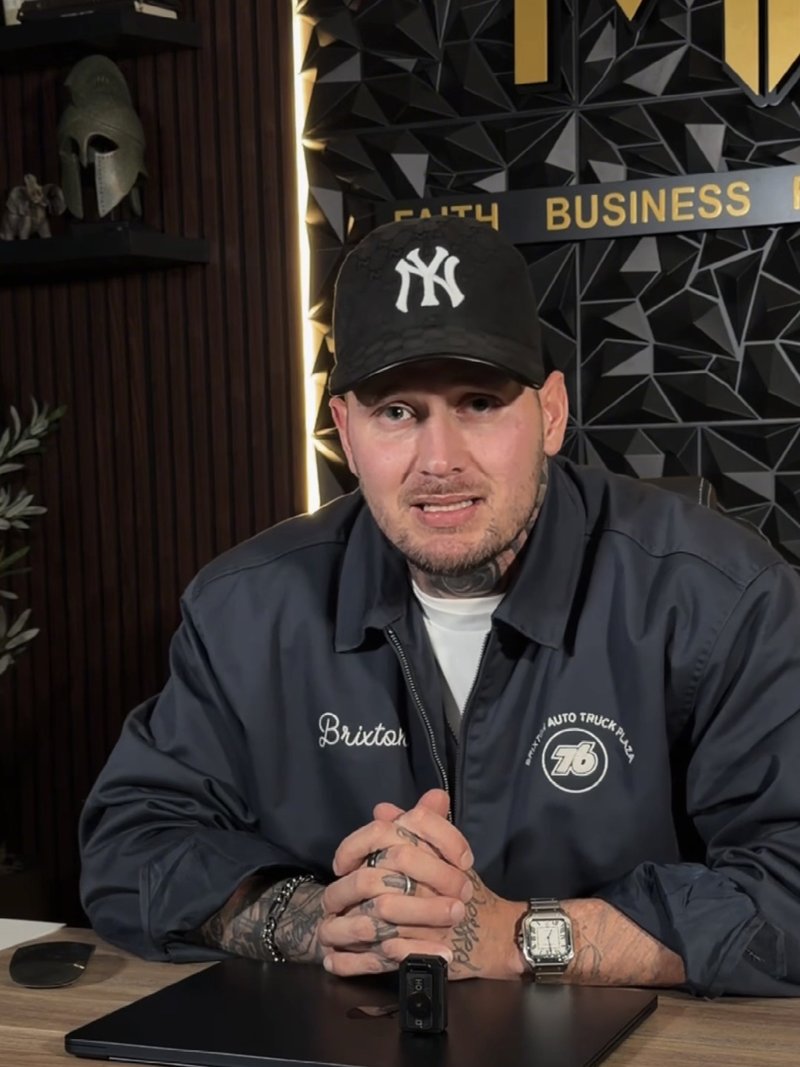
Marcus McCracken at Market Scale Alliance
117Companies engaged across construction, manufacturing, medical, SaaS, e-commerce and the trades
9 figuresIn combined revenue added across the companies we've worked with
+35%Average lift in close rate once the sales system is rebuilt
10–15 hrsWhat an owner's week looks like afterward, down from 40–60

What we do

Three lines of business. One operating thesis.

Every company has a constraint. Find it, remove it, and the next one becomes visible. That's the whole job — and it's the same job whether we're consulting, building a venture with you, or installing growth infrastructure.

I

Consulting

Diagnostic-led engagements with the owner and the leadership team. We work on the business and in the rooms where the work lives.

  • Operational and financial diagnostic
  • Margin, pricing and overhead restructuring
  • Org design, SOPs and delegation
  • Sales and marketing infrastructure
  • Leadership and team training
  • Scalability and exit readiness scoring
II

Joint Ventures

Where the operator and the opportunity are both right, we take a position and build it together rather than invoice for advice.

  • Equity and profit-share structures
  • Commercial construction, consumer products, SaaS
  • Operational capability, not passive capital
  • Earned through demonstrated execution
III

Business Growth

The systems layer. We specify what needs building — lead generation, sales process, tracking, AI and automation — and make sure what gets built is right.

  • Lead generation and demand systems
  • Sales process, pipeline and close-rate work
  • CRM, tracking and attribution
  • AI agents and workflow automation
  • Build routed to our agency, yours, or in-house

The engagement model

Diagnose. Design. Install. Scale.

We don't sell a curriculum. Every engagement starts with the same sequence, and what comes out of it is specific to your company and your numbers.

Phase one

Triage

A paid working session on the business. P&L, margin, overhead, revenue per employee, team and leadership structure, sales and marketing infrastructure. We locate the actual constraint and score the company.

Before anything is sold
Phase two

Design

A written twelve-month plan built against your numbers: what changes, in what order, who owns it, what it costs and what it should return. Sequenced so cash funds the next move.

Weeks 1–3
Phase three

Install

Structure, SOPs, scorecards, sales process, marketing systems and automation go in — with your leadership, sales and marketing teams, not just with you. We train the people who have to run it.

Months 1–6
Phase four

Scale

Cadence, accountability and measurement take over. The company compounds without the owner in the middle of it, and the next constraint surfaces on schedule instead of by surprise.

Ongoing

Evidence

What the work is worth, in numbers.

The clearest way to explain what we do is to show one engagement end to end, then the ranges across the rest.

Medical manufacturing, $35.75M

Twelve-month engagement

A profitable company on paper, running thin. No sales organization, no hierarchy, no follow-up system, no lead tracking — overhead climbing while revenue per employee fell.

Operating margin

Supplier terms renegotiated, equipment upgraded for throughput, automation placed where the labor cost sat.

Before
14%
Month 8
29%

Scale 0–35%. Doubled before the top line moved.

Annual revenue

Sales organization built, marketing installed, tracking and attribution put in behind it.

Before
$35.75M
Month 12
$54M

Scale 0–$60M. +51% in twelve months.

Implied operating profit

Margin and revenue compounding together — the reason we fix margin before chasing growth.

Before
$5.0M
After
$15.7M

Scale 0–$18M. Margin × revenue, roughly tripled.

Fixing margin first is not a preference, it's arithmetic. Fourteen percent of $35.75M is about $5.0M. Twenty-nine percent of $54M is about $15.7M. Had we chased revenue alone and left the margin where it was, the same $54M would have produced roughly $7.6M — half the result, for considerably more work.

~$8MThe difference margin-first made

Across engagements

+35%Close rate

Average improvement once sales process, pipeline discipline, call review and follow-up are installed. Same leads, more signed.

40–50%More qualified leads

Not more traffic. More of the right conversations, tracked from source to signature.

20–30%Of labor hours removed

Replaced with automation and AI infrastructure built for the specific workflow.

10–30%Lower overhead

Labor, vendor renegotiation, tooling consolidation, and cutting what has never produced.

The labor arithmetic

A pattern we find almost everywhere

Most companies hire cheap and hire often. It feels like the safe decision and it is usually the most expensive line on the P&L. This isn't about pedigree — it's output, effort and knowledge. It goes unfixed because without KPIs an owner genuinely cannot tell his best people from his worst, so he keeps everyone.

Ten at 25%
$1,000,000
Three at 100%
$600,000

Annual payroll, scale 0–$1M. Ten people at $100K producing 2.5 units of effective output, against three at $200K producing 3.0. $400,000 saved, and more work getting done — before the overtime you stop paying and the errors that stop happening.

We've run this exact play — replaced twenty people with a handful of A-players and watched the company get faster. The savings are real, but the culture change is bigger. A-players will not stay in a room full of people coasting, and you lose the wrong ones first when you let it sit.

Ranges, not guarantees. Every figure here came from a company whose owner had the capital, the capacity and the willingness to execute. Results depend on the market, the business, and what the owner is actually prepared to change.

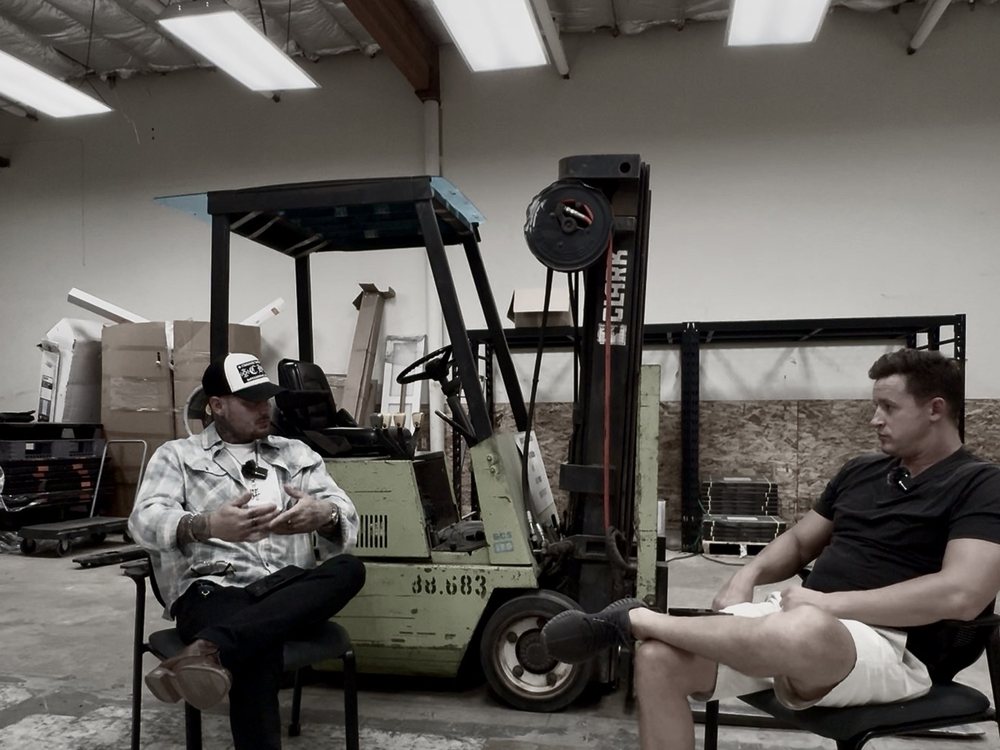
On site with a client On a client's warehouse floor On location
In the building, on the floor, in the numbers.

What we look for

Most owners know something's wrong. Very few can name it.

The reason a constraint survives is almost never effort. It's that nobody has put the entire business on the table at once and found it. Across 117 companies, what's capping them has come down to one of seven things.

I

Revenue isn't predictable

Referrals, repeat clients and whatever walks in. No system with inputs you control, no forecast you'd bet payroll on.

II

Margin doesn't match revenue

Top line climbs and profit doesn't follow. Pricing, job costing, scope creep, vendor terms and overhead eating the difference.

III

Sales is inconsistent

No defined process, no pipeline discipline, no call reviews. One closer carries the number and nobody can explain why he wins.

IV

Structure can't hold the weight

No org chart with real authority, no documented delivery, no scorecard. Decisions pile up wherever the documentation stops.

V

Leadership isn't leading

A full C-suite and still no operating cadence, no accountability, no KPI discipline below the exec layer. Invisible until measured.

VI

Technology is years behind

People paid to do work software has done for two years. Manual handoffs, no tracking, and a stack assembled by accident.

VII

The owner is the constraint

Sometimes the company is sound and the person running it is running on fumes. Nobody wants this on the list. It belongs here, and it's more common at the top than anywhere else.

Who we work with

Different scale, different constraint.

The work is the same at every level. What changes is where the leverage sits and how expensive it is to leave it there.

$1M – $5M

Brute force got you here

The offer is proven and the owner has outworked everybody. What's missing is predictable lead flow, a sales process that isn't him, documented delivery, and the first real layer of management.

Usual constraintStructure, and the owner's calendar.

$5M – $25M

Real company, quiet leaks

Team, revenue and reputation are real. The problems are harder to see: margin erosion nobody has traced, managers promoted but never trained, sales running on personality, systems built for a company a third this size.

Usual constraintMargin, middle management, sales infrastructure.

$25M+

Sophistication isn't efficiency

Full C-suite and real infrastructure — and still no operating cadence, no KPI discipline below the exec layer, labor doing work that's now automatable, legacy process nobody has questioned in years.

Usual constraintLeadership execution and technology debt.

We've worked with companies into nine figures. The work doesn't change much. The leverage does.

How the work happens

This isn't a weekly call with the owner.

You can't restructure a company through one person's notebook. When the work calls for it, we get into the rooms where the work lives — with the people who own the numbers.

How much of this a company needs varies enormously. Some want us deep in the organization for six months; others need three sessions with the right two people. That comes out of the diagnostic, not out of a package.

Leadership team

Working sessions with your executives on cadence, ownership and accountability. Who owns which number, what gets reviewed weekly, and where decisions stall before they reach the owner.

Sales leadership & floor

Pipeline reviews, call reviews, process, scripting and follow-up discipline. We train your sales leader to run it, then train the team on what's being asked of them.

Marketing team

Channel strategy, offer and creative, tracking and attribution. We fix what's being measured first — most marketing teams are optimizing toward a number that means nothing.

Operations & SOPs

Documenting how the work gets done so it can be trained, delegated and audited. Written with the people who do the job, not handed down to them.

Hiring & onboarding

Scorecards per role, a filtering process that catches the wrong hire before payroll does, and onboarding that makes people productive in weeks instead of quarters.

Team training

Direct training on the systems we install, so adoption doesn't depend on one champion staying — and the structure survives turnover.

Reviewing a profit and loss statement with a client
People. Systems. Profit. Freedom. In that order, or not at all.

Technology & AI

The farmers who bought equipment kept their farms.

Everybody used to farm by hand. Then equipment showed up, and the ones who didn't adapt didn't stay in business — not because they worked less, but because the math stopped working.

That's where we are again. Most companies are still paying people to do work that was automated two years ago, and they'll feel it the same way: not as a crisis, but as a slow loss to whoever moved first.

What belongs in a modern stack

How it actually gets built

Our job is to tell you exactly what to build, in what order, what it should cost and what it should return — then make sure what gets built is right. That's the consulting, and it's included. The build itself is yours to direct, and there are three honest ways to go about it.

Route one

Use our agency

Market Scale Media is our own agency — senior developers in AI infrastructure, automation and CRM who do this every day. Consulting clients get our rate. It's the fastest route, and we'll say plainly that it's the one we have an interest in.

Route two

Use your own people

Already have an agency or a developer you trust? Good. We'll write the specification, review what comes back, and tell you honestly whether what you're paying for is the right thing built the right way.

Route three

Build it in-house

We'll show you how to hire an AI specialist, what to pay, how to test them, and how to stand up your own internal AI function. At real scale this is usually the cheapest answer over five years.

We don't have a preference and we're not going to push you toward one. We care that it gets built correctly, because a half-finished automation costs more than no automation at all — and because your results are what we get judged on.

The principal

Marcus McCracken · Founder

Operators, not advisors.

Everything this firm teaches came out of companies we own or built. Marcus started with an ATM route, grew it past 250 machines and sold it, kept the service arm and built it into some of the largest maintenance contracts in California. Built and sold an e-commerce company. Built Scope Engine, a SaaS platform serving contractors nationwide. Built NumbTech. Built Market Scale Media.

Then, with a partner, Global Building Solutions — commercial roofing and solar — which did $3M in sales in a single month inside its first year, while most contractors are bleeding through their first two.

The part that matters more than the list: none of those were built by working inside all of them. One person can't be in five places at once. They were built on structure — hiring, onboarding, training, documented process, leadership in the right seats with standards high enough to point rather than push. That's the method this firm sells, and it's the method it was built on.

The full story, the background and the personal side: marcusmccracken.com
Marcus McCracken

Portfolio

We're not advisors who've never carried a payroll.

Companies held under the Alliance or built by its principal. When we tell a client what to do, it's because we've already had to do it with our own money on the line.

A few of the companies owned outright or held in majority. The whole picture is wider — businesses built and sold, positions held as equity or a share of profit, and a few where the arrangement is silent and it isn't our name on the door.

Selected engagements

The numbers moved. So did the owners.

Al
AlMedical manufacturing · $35M+
14% margin29%in eight months

Successful on paper at $35.75M, running a 14% margin. We renegotiated suppliers, upgraded equipment for throughput, rebuilt the operating systems and put AI where the labor cost sat. Cut 40% of the headcount that wasn't producing and installed real management with incentives tied to speed, quality and efficiency. Then built the marketing, the sales team and the tracking on top. Revenue reached $54M within twelve months.

A former college athlete who'd lost himself. Put down the drink, picked up a dumbbell, got back to his family and his faith. His leadership respects him again — and he'll tell you that part came first.

Trent Macdonald
Trent MacdonaldFounder · NoCo Design Build
$150K/yr$1.75Min a single month

Came to us on a salary with a dream of getting licensed. We got him licensed, got him his GC, and built the lead generation and delivery structure behind it. $250K in a month and $472K in total sales by month three. $1.75M in a single month by the end of his first full year.

Dropped 30 lbs, got out of a relationship that was destroying him, got mentally and physically strong. The business was the smallest part of what changed.

Justin James
Justin JamesArmy veteran · Co-owner, Innate AEC
$50K/mo$1Min a single day

Averaging $50K a month when we started. Two months in he closed three projects in one day for a million dollars and finished that month at $2M. Same man, same market — a different operating structure and a different standard.

Lost over 50 lbs and quit the vices. Became a spiritually and physically strong man, which is the part he'll tell you mattered.

Alan R.
Alan R.Owner · Clad Industries
$3M/yr$1.55Maverage per month

Systems, margin and overhead rebuilt from the floor up, plus the large contracts to fill the new capacity. From $3M a year to averaging $1.55M a month, and out of wearing every hat in the building.

Came off the pills, got in the best shape of his life, repaired his marriage. He's a CEO now, not the highest-paid operator in his own company.

Client message about reaching a million dollars in one day Client message about reaching $470,000 in a year

Real clients and real results, shared with their permission. Not typical and not a guarantee. Every one of these owners had capital, capacity, and a willingness to do work most won't.

Joint ventures

Some of this turns into equity.

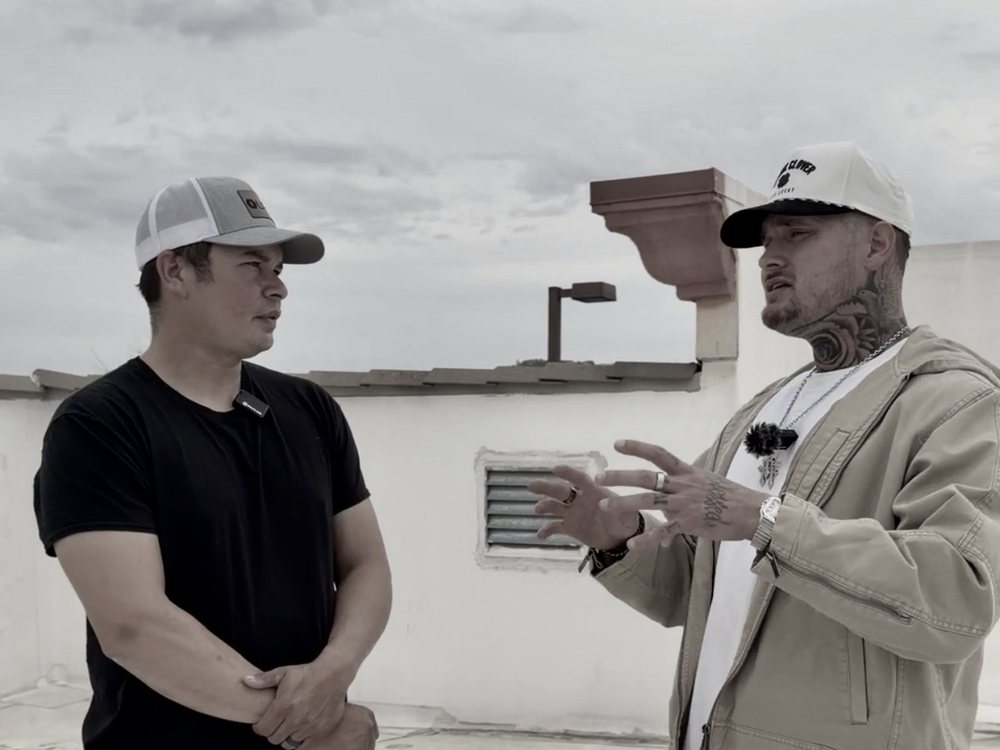
Joint ventures are the reason this firm exists in the shape it does. We've built them in commercial construction, where combining efforts has produced multimillion-dollar deals. We've built them in consumer products, scaling a numbing cream line with a tattoo shop. We've built them in SaaS. When the right operator and the right structure meet, the ceiling disappears.

It happens the same way every time: an operator proves himself over months of real work. Not just that he can run a business — that he does what he says he'll do, that his character holds under pressure, and that his values are ones we'd stake the firm's name on. Then we talk.

Read this part carefully. Partnership is earned, never sold, and there is no guarantee of one. If access to our capital or our deal flow is the reason you're applying, it isn't going to work — and we'll know by the second conversation. Come to fix the business. Everything else is downstream of that.

Before you apply

Let's both save the time.

This works when

  • You've built something real and you know there's another level you haven't reached
  • You have capital allocated to growth — not just to pay us, but to execute what we decide
  • You can carve out focused hours on top of running the company
  • You want to be told the truth, including the parts you already suspect
  • You'll give us the real numbers, not the version you show the bank
  • You're prepared to change how the company operates, not just add tactics on top

This doesn't

  • You're looking for a marketing campaign instead of a rebuild
  • There's no budget for scaling, so every recommendation dies on cost
  • You want the result without changing anything about how you operate
  • You want agreement — we're going to tell you things you won't enjoy hearing
  • You're not willing to look at the personal side when that's what's capping it
  • There's a reason every month why this month wasn't the right month

It's going to cost money. That's business, that's risk, and that's what it takes to reach the next level — the same bet you've already made on yourself more than once. We'd rather lose you here than take your money and watch you quit in month three.

Next step

Start with the diagnosis.

Tell us what's actually going on. Every application is read by Marcus personally, and you'll have an answer within 48 hours either way — including when the answer is no.

Request a triage

About four minutes. No list, no funnel, no drip sequence.